
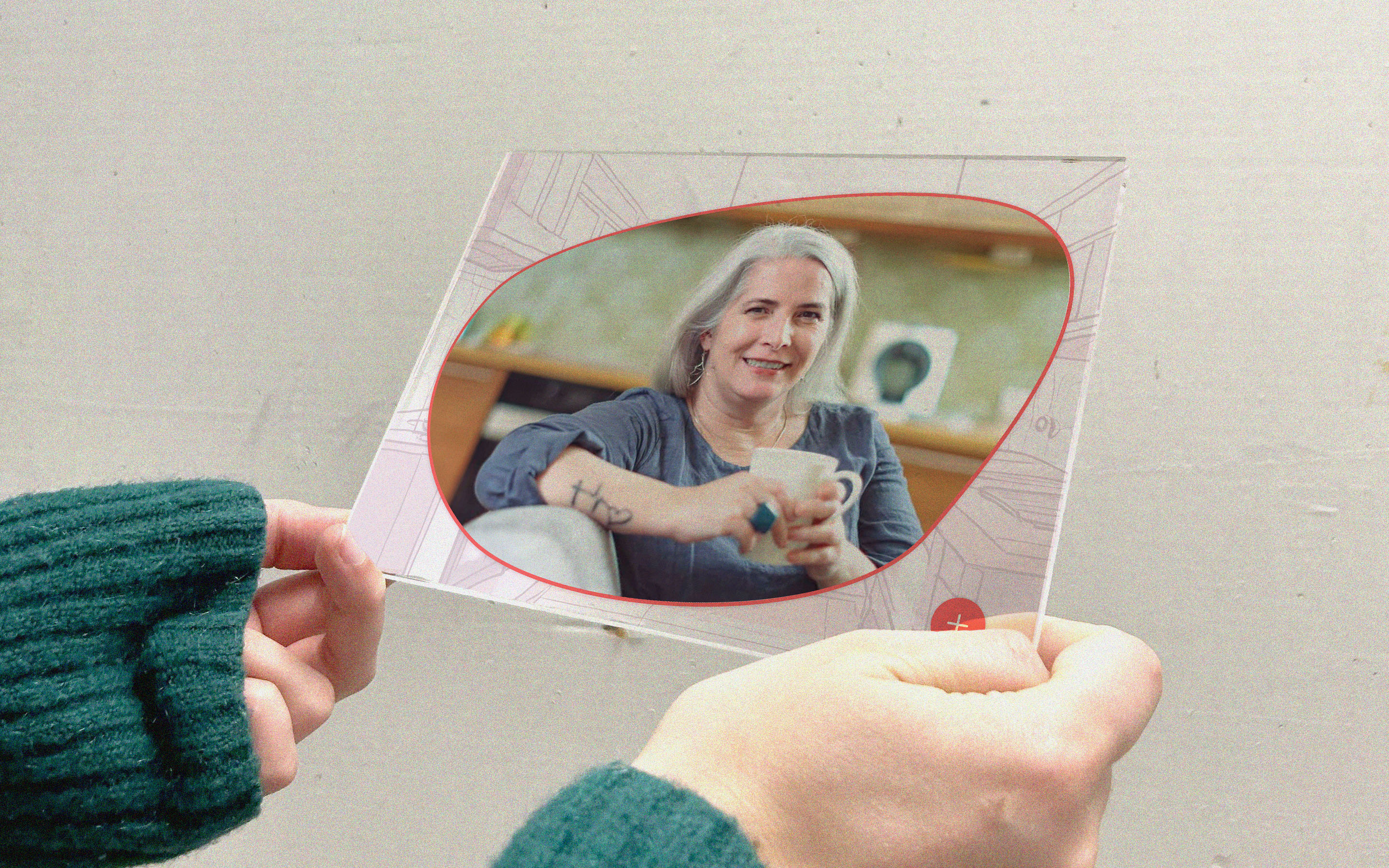
In a world where digital tools connect us instantly, many still feel emotionally distant from the people they love. Despite the convenience of video calls and messaging platforms, the richness of being together, the glances, shared silences, and small gestures, gets lost behind screens.
Nest is a speculative exploration into what virtual communication could become in the future. It imagines a world where digital presence feels embodied, warm, and intuitive, where technology supports the emotional texture of being together even when physically apart. Rather than solving today’s limitations, Nest asks what tomorrow’s digital intimacy might look and feel like.
.gif)
Current communication tools allow us to see and hear each other, but rarely to feel together. Calls can feel performative. Planning them feels tiring. Notifications and multitasking fracture attention and erode emotional presence.
Because Nest is a speculative future concept, the research focused not on testing a prototype, but on understanding the emotional realities of digital connection today. To explore this, I conducted a series of qualitative and experiential studies:
.gif)

Spoke with individuals in long-distance relationships, remote workers, & friends who rely heavily on digital communication. These conversations revealed the emotional highs and lows often hidden behind routine calls.
Through guided prompts, users reflected on how they felt before, during, & after calls, exposing subtle patterns such as anticipatory stress, screen fatigue, and post-call loneliness.
I designed social experiments where participants experienced different call conditions such as audio versus video, bright versus dim lighting, focused versus multitasking, and camera on versus camera off. By observing their reactions and gathering post call reflections, I uncovered how subtle environmental and behavioral shifts dramatically impact emotional presence during digital communication.
Participants visualized their ideal “togetherness space,” often sketching environments, rituals, or sensory cues rather than screens. These exercises helped surface the emotional qualities people long for
in digital connection.
People long for distraction-free,
emotionally focused conversations.

Users want to “hang out,”
not just talk.

Planning calls feels draining.

Notifications and multitasking disrupt intimacy.
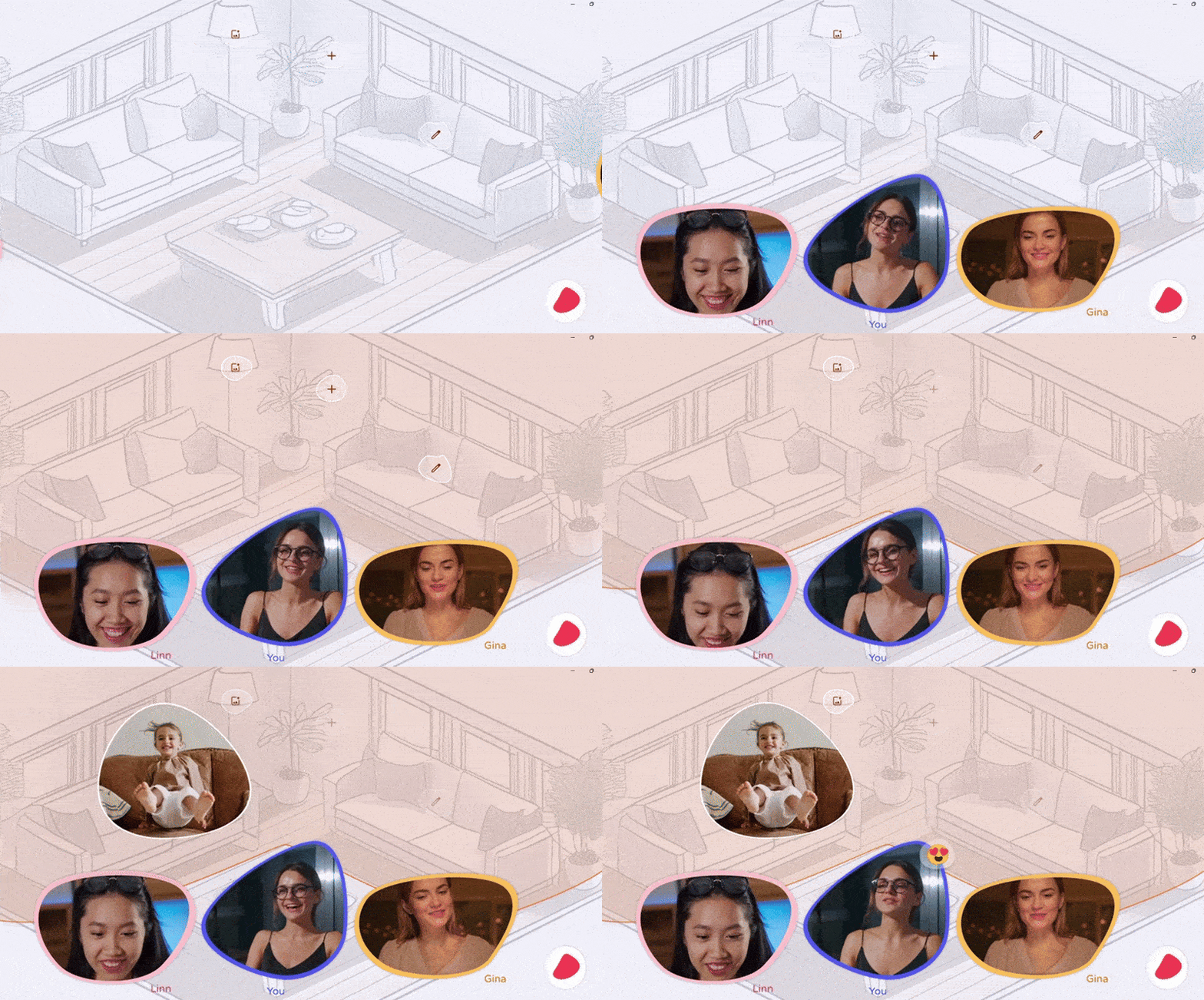
People want freedom of movement while staying connected.

Users seek playful, sensorial forms of interaction.
Nest’s strategy reflects the idea that speculative design is not about predicting the future, but opening it up.
.png)
What if future communication tools created intentional, device-free
moments of presence?
What if virtual spaces could capture social moods such as quiet,
casual, or playful?
What if digital connection adapted to our movement, environment,
and emotional state?
Nest imagines a future communication ecosystem built around emotional states rather than screens or calls.
It explores three speculative zones:
A calm, ambient space for spontaneous connection. Mood based availability
replaces scheduling.
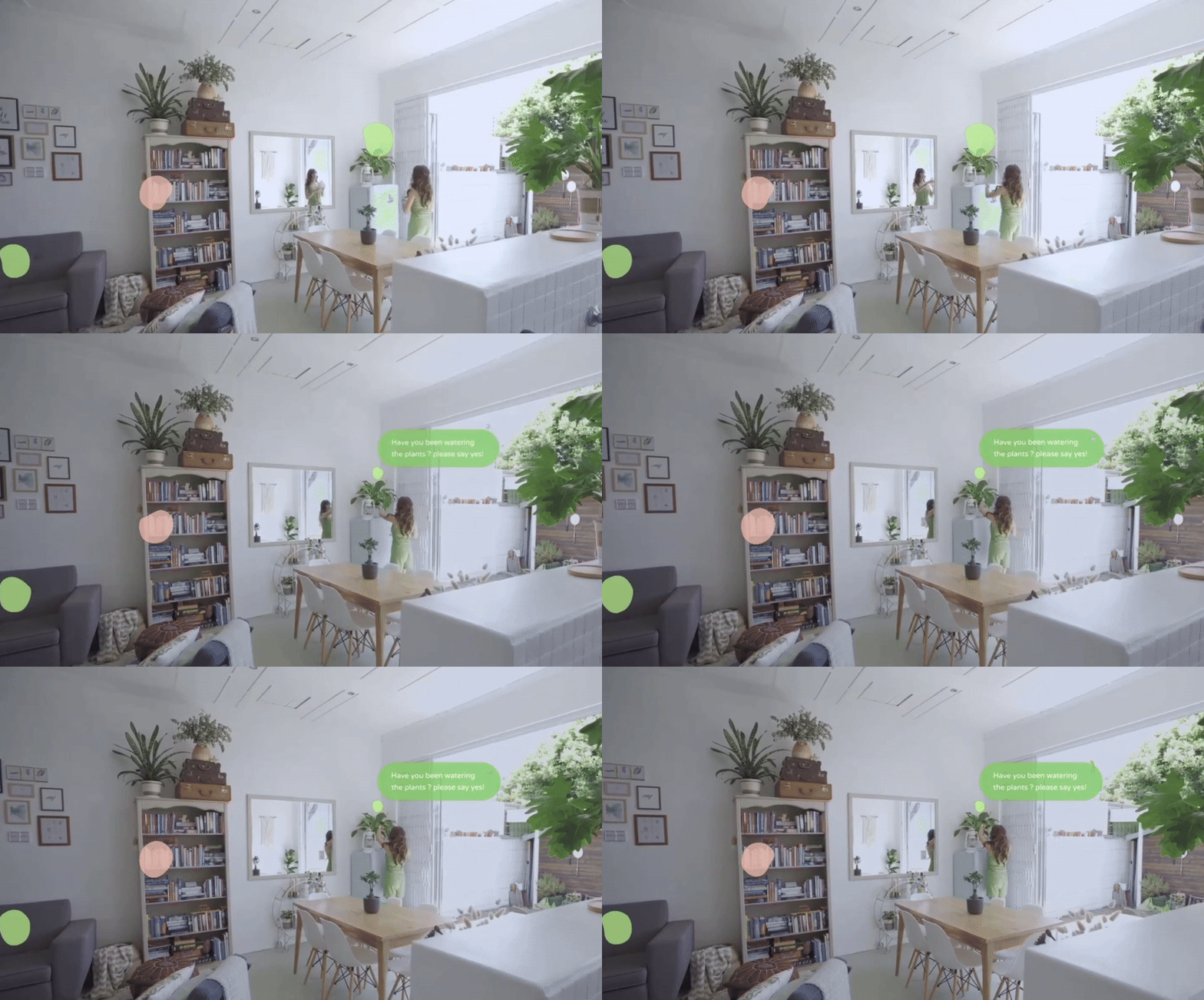
A fluid audio visual layer that embeds connection into daily life, supporting continuity rather than interruptions.
A shared creative zone where people co experience activities, gestures, or sensory atmospheres, softening the boundary between interaction and companionship.
Nest reframes virtual communication as a shared emotional landscape rather than a task. It offers:
Designing Nest showed me how speculative design can elevate conversations beyond usability and toward possibility. It taught me that the future of communication lies not in higher resolution or faster bandwidth, but in understanding how we want to feel together.
This project deepened my belief that imagining futures is a form of care, creating the space to ask what kind of digital intimacy we want before technology decides it for us.