
Climate action often feels abstract, especially at home where the impact of our choices is hidden. Food waste is one of the clearest examples, a global environmental crisis driven by tiny everyday moments we barely notice. Without feedback loops
or emotional resonance, sustainable behavior remains an ideal rather than a habit.
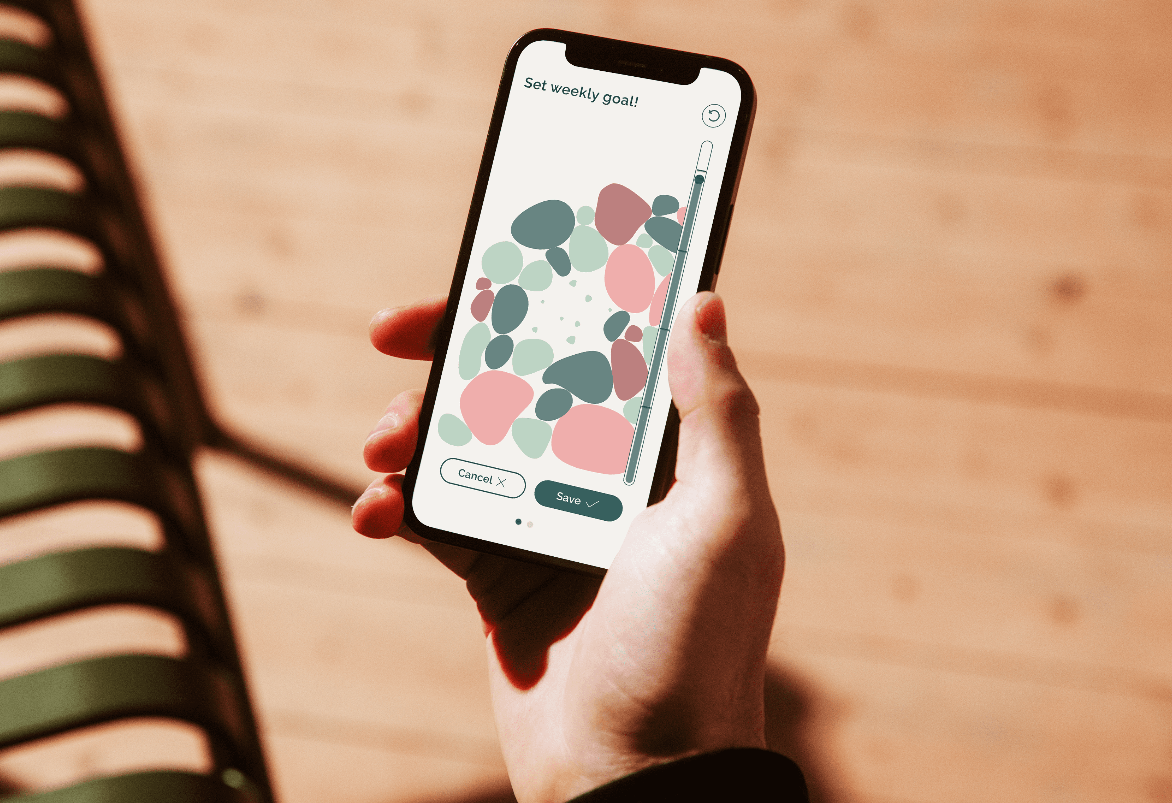
Ecora speculates on a alternate future. One where the products we use reflect our behavior back to us, where sustainability feels intuitive, and where technology nurtures self-awareness instead of guilt. It transforms food waste from an invisible issue into a visible, sensory, and empowering experience.

Most systems designed to reduce food waste rely on guilt, reminders, or educational messaging. These approaches trigger short-term compliance, but rarely long-term change. People need experiences, not instructions, that help them build emotional connection with the environmental impact of their choices.
These insights reframed Ecora as a system that must translate invisible environmental consequences into lived emotional experiences.

Ecora is designed around three behavioral design principles that make the invisible impact of food waste both understandable and motivating. Together, these elements make sustainable action feel engaging, sensory, and rewarding.


Ecora demonstrates how speculative design can reveal new pathways for sustainable change not through instruction, but through emotional engagement.
.png)
• Led research into household waste behavior and emotional triggers
• Identified key psychological patterns that influence sustainable choices
• Designed the interaction ecosystem between the physical bin and digital app
• Created speculative prototypes exploring how sensory feedback can shape habits
This project required blending behavioral psychology, product design, and speculative thinking to envision how homes
might encourage sustainable futures. Ecora taught me that the future of sustainability lies in designing for perception, not persuasion. When people can feel the impact of their actions, they naturally move toward better choices. This project deepened my belief that speculative design is not about predicting the future, it is about revealing possibilities that help
us redesign the present.